


As another boating season begins across the Lakes Region, Lake Winnipesaukee is already filling with anglers, cruisers, and paddlers eager to get back on the water. But every boat launched and every line dropped also have the potential to impact the health of the lake. The good news is that a few simple steps can make a big difference.
One of the simplest ways to reduce pollution is by installing a bilge sock in your boat. These inexpensive absorbent pads capture fuel, oil, and other contaminants before bilge water is discharged into the lake. A single bilge sock can absorb up to one quart of oil, enough to contaminate more than 250,000 gallons of water. Most last an entire season and can be purchased online or through your local marina.
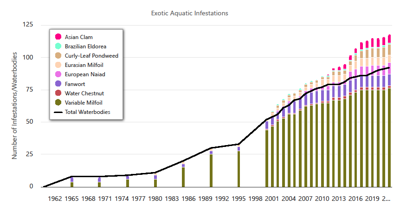
Lake Winnipesaukee also faces growing ecological threats from invasive species. One of the newest concerns is the spiny water flea, a tiny invasive zooplankton that disrupts the lake’s food web by feeding on native plankton species that young and forage fish rely on for food. Variable milfoil also remains an ongoing challenge in several areas of the lake, requiring ongoing monitoring and annual management efforts to help protect recreation, boating access, and native aquatic habitat. Lake Winnipesaukee currently has four known aquatic invasive species: variable milfoil, spiny water flea, water violet, and European naiad.
Fortunately, Lake Winnipesaukee has so far avoided some of the most destructive aquatic invasive species impacting waterbodies across the Northeast and beyond, including hydrilla and zebra mussels. In lakes where these species have become established, they have reduced recreation opportunities, increased management costs, and impacted the natural beauty that make these waterbodies so valuable in the first place.
Prevention remains far easier and far less expensive than trying to control an invasive species once it becomes established, which is why Clean, Drain, Dry practices are so important every time boats, trailers, or fishing gear move from one waterbody to another.
Clean all mud, plants, animals, and debris from boats, trailers, anchors, fishing gear, and equipment. Drain bilges, motors, ballast tanks, live wells, and any compartments that hold water away from the lake. Dry boats and gear thoroughly before entering another waterbody. Even small amounts of water or plant fragments can transport invasive species from one lake to another.
Responsible boating also means being mindful of your wake, especially near shorelines, and shallow areas where excessive wave action can contribute to shoreline erosion, disturb wildlife habitat, and create safety concerns for others on the water.
Lake Winnipesaukee is one of New Hampshire’s greatest natural resources and one of the reasons so many people choose to live, work, and vacation here. Protecting it is a shared responsibility.
The good news is that simple actions really do make a difference.
Use a bilge sock. Follow Clean, Drain, Dry practices. Learn to recognize invasive species. Talk to fellow boaters and lead by example. Small actions, repeated across the lake by thousands of people, can have a lasting impact on the future of Lake Winnipesaukee.
•••
Bree Rossiter is the associate director of the Lake Winnipesaukee Alliance, the only nonprofit dedicated to protecting the water quality and natural resources of Lake Winnipesaukee and its watershed through science, education, advocacy, and collaborative solutions. Her work focuses on advancing long-term watershed protection initiatives and connecting science with practical solutions to help preserve the lake for future generations. To learn more, visit winnipesaukee.org.


(0) comments
Welcome to the discussion.
Log In
Keep it Clean. Please avoid obscene, vulgar, lewd, racist or sexually-oriented language.
PLEASE TURN OFF YOUR CAPS LOCK.
Don't Threaten. Threats of harming another person will not be tolerated.
Be Truthful. Don't knowingly lie about anyone or anything.
Be Nice. No racism, sexism or any sort of -ism that is degrading to another person.
Be Proactive. Use the 'Report' link on each comment to let us know of abusive posts.
Share with Us. We'd love to hear eyewitness accounts, the history behind an article.