


From
To

The conjunction was visible shortly after sunset, with the two objects shining low in the western sky.
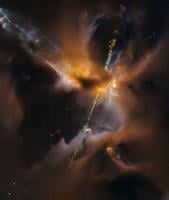
The Hubble Space Telescope captured a pair of “cosmic lightsabers” on Star Wars Day.

Researchers hail the achievement as a major milestone in cosmology, with the data now available for global scientific analysis.

His fascination began when watching Neil Armstrong land on the moon in 1969 during the Apollo 11 mission.

NASA’s James Webb Space Telescope and Hubble Space Telescope have teamed up to capture new views of the planet.
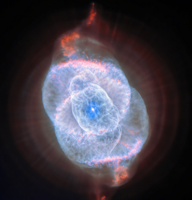
The image features one of the most visually intricate remnants of a dying star: the Cat’s Eye Nebula, also known as NGC 6543.