


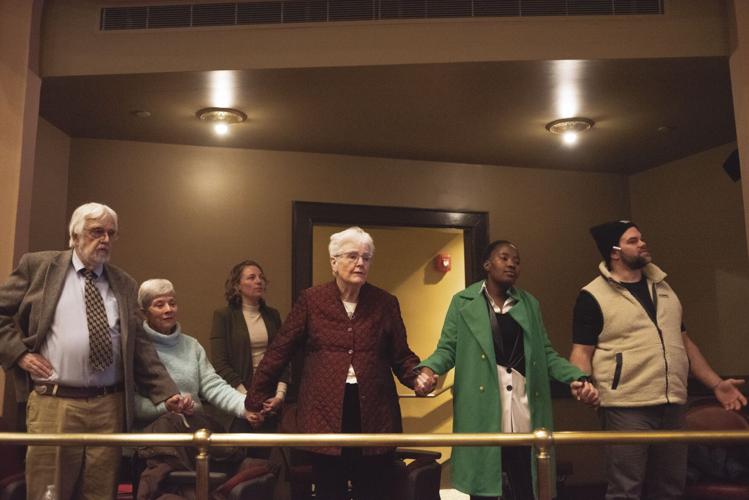
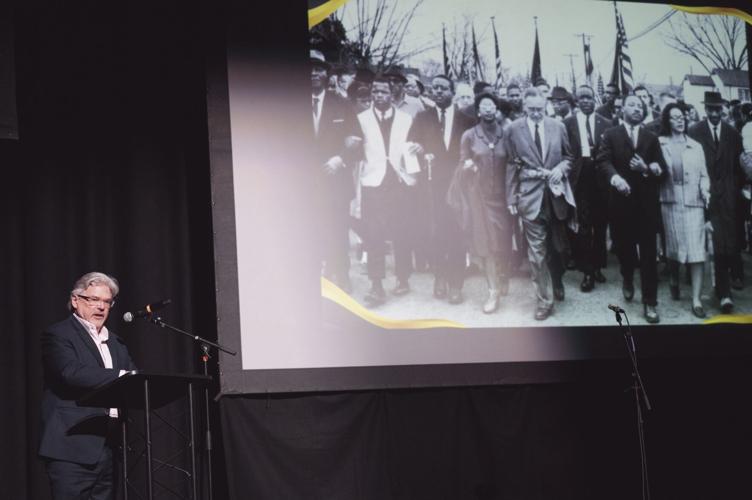
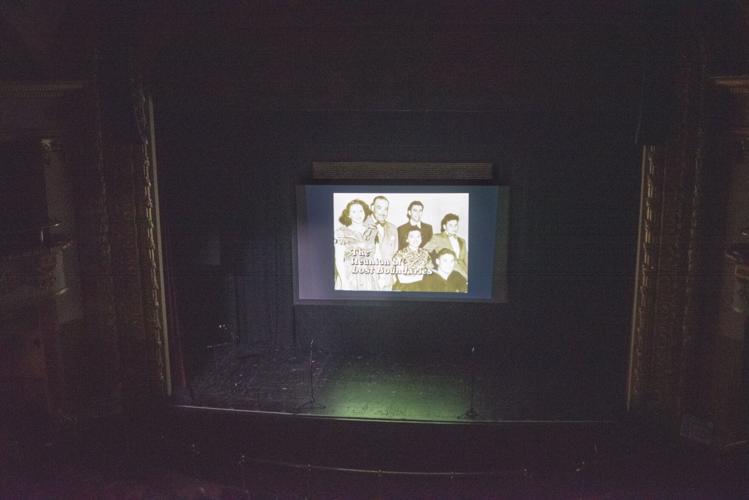
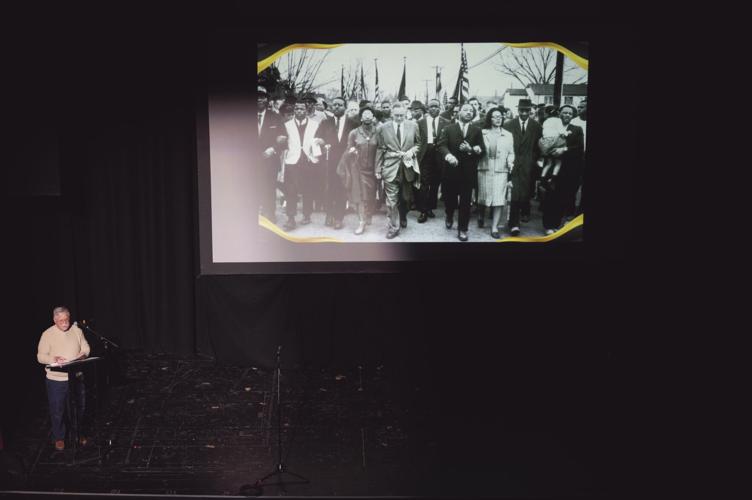
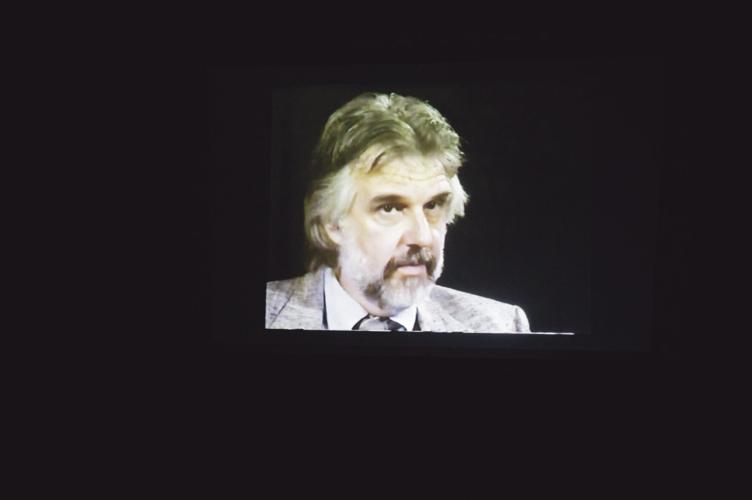
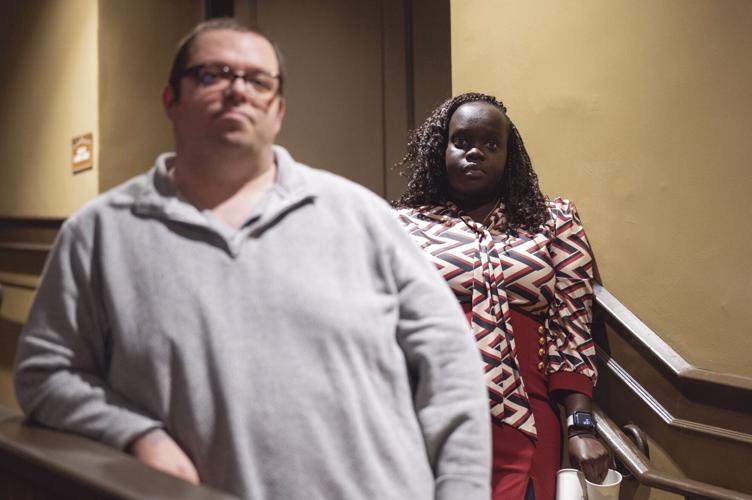
LACONIA — The screening of a documentary focusing on Black history in the Granite State — featuring one of the project's creators — drew a crowd of 50 to the Colonial Theatre Sunday during a Martin Luther King Jr. Day event. The documentary film “Home to Keene: The Lost Boundaries Reunion” was preceded by speeches, then followed by a five-person panel discussing what the work of King means to them.
The 1949 film “Lost Boundaries” tells the story of Dr. Albert Johnston and his family who lived in Keene. Johnston, who was of African-American heritage, passed as white in order to be accepted into the community. After his family heritage was revealed, Johnston faced discrimination. The documentary “Home to Keene: The Lost Boundaries Reunion” revisited the family 40 years later. "Lost Boundaries" had disappeared over time, after facing censorship in the South, then going out of distribution.
Lawrence Benaquist, film studies professor at Keene State College, was instrumental in the creation of the documentary, after getting in touch with Johnston’s granddaugther, Suzan Johnston Mitchell. At the time, Benaquist said, Mitchell wondered why he was interested in her family.
“I said, ‘Hey, I'm just I'm a teacher. I'm a professor of film. What's important is to me, just more knowledge about it,’” he said. “‘I've no hidden agenda. It'd be an honor to meet your family.’”
Johnston died in 1988, and was buried in Keene. At that time, his family invited Benaquist to Massachusetts to watch the 1949 film.
“I can't tell you how extraordinary it was to sit next to these people who had suffered so much, as I began to understand,” he said.
When Benaquist pitched the idea to Mitchell about the documentary, he said she had three words for him: “Set it up.”
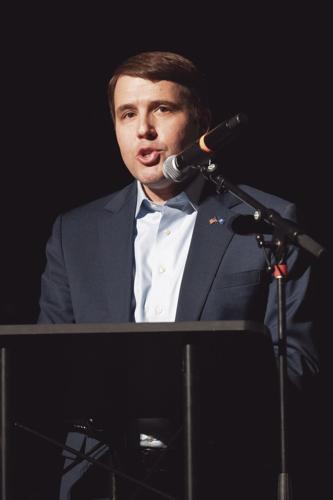
After a video of King delivering his "I Have a Dream" speech in Washington, D.C., on Aug. 28, 1963, Mayor Andrew Hosmer addressed the crowd. Hosmer said he was humbled to follow such a speech, and identified a quote which impacted him. "I have a dream that my four little children will one day live in a nation where they will not be judged by the color of their skin but by the content of their character."
“The implication was that the work was still ours to do. That when this country finally achieved economic justice, eliminated racism everywhere, everyone was treated as an equal, that we will have worked so hard to achieve that,” Hosmer said.
“It's a calling for us as Americans to get back out into the field, not one day a year to contemplate his words on this very important day, tomorrow, Dr. Martin Luther King Day, but to do the work every single day.”
Congressman Chris Pappas also gave remarks, remembering his time serving with civil rights leader and Congressman John Lewis, who often stood side-by-side with King. Pappas said he reminded everyone what their responsibilities were regarding civil rights.
“The struggle for progress, for justice, for equality under the law, is not one that will be won in a day, a week, a month or a year. It's really a struggle that we have to commit our lives to,” Pappas said.
“And he was an amazing individual who did just that.”
New Hampshire Sens. Maggie Hassan and Jeanne Shaheen, as well as Gov. Kelly Ayotte, sent proclamations which were read by Human Relations Committee Chair Patrick Wood.
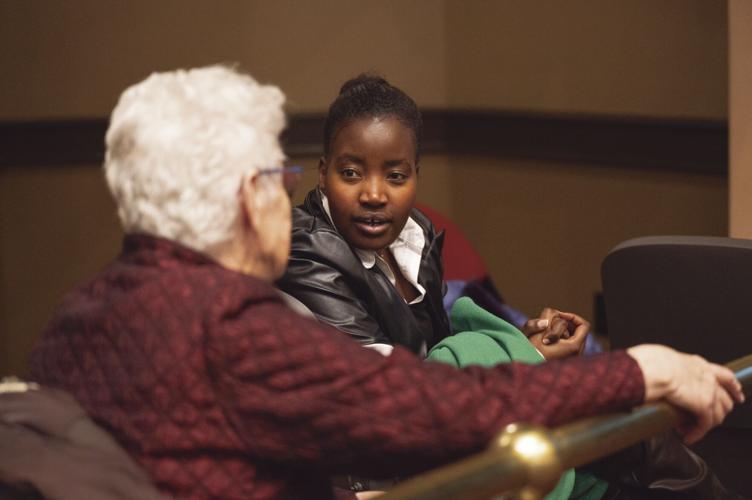
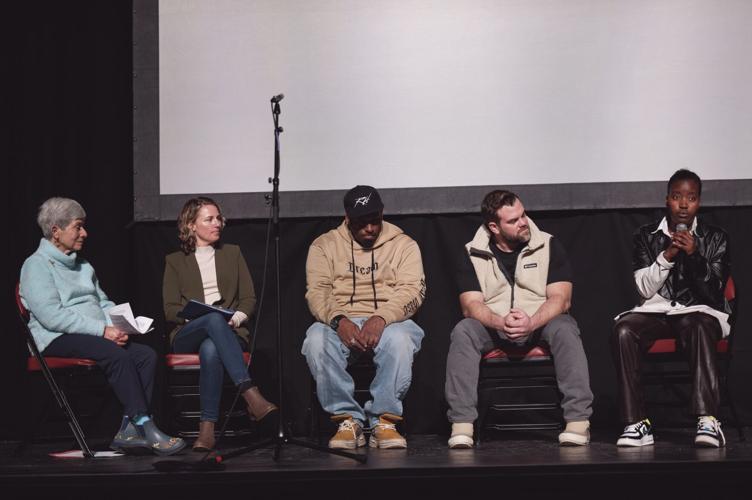
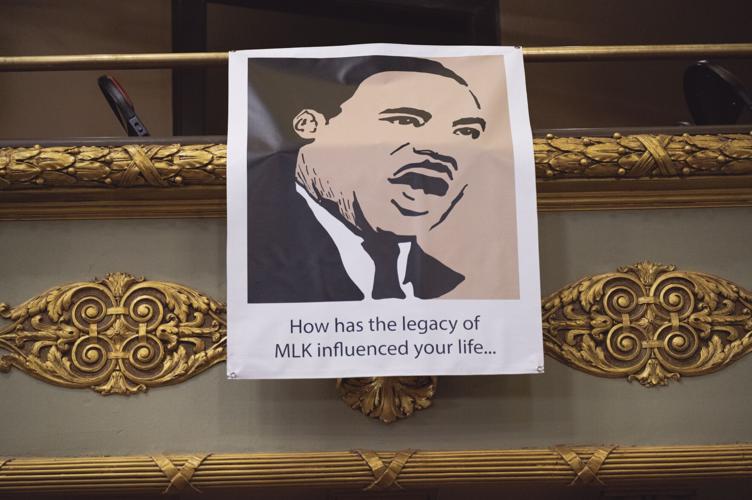
Following the screening of "Home to Keene: The Lost Boundaries Reunion," the panel of five answered the question “How has the legacy of Rev. Dr. King influenced you?” The panel included Paula Chambers, a member of Temple B’nai Israel; Asheena Miller of Community Action Program for Belknap & Merrimack Counties who works with unsheltered people; Maria Mutesi, a recent graduate of Plymouth State University, and two members of Alcoholics Anonymous.
Chambers started the discussion, recounting Oct. 12, 1958, when white supremacists bombed Atlanta’s Hebrew Benevolent Congregation Temple. Chambers was living in Atlanta during the bombing, part of a series of attacks on Jewish communities, many of whom supported King and the Civil Rights Movement. Chambers said the rabbi tried to inspire the congregation to use the tragedy as a way to band together and stop hate.
“I think the bombing was really an inspiration to take action. Hate must stop. Racism and antisemitism right now is all around us. The [Ku Klux] Klan is alive and thriving. Neo Nazi groups continue to grow all around us,” Chambers said. “The temple bombing took place in 1958, but we must all be aware of the danger that faces everyday citizens who try to lead moral lives in today's world.”
Mutesi, originally from Uganda, came to the United States when she was 13. She was shocked when she found out America’s history with slavery and segregation, and said discrimination in that way does not exist in her home country. When learning how King attempted to bridge this divide with love, she was inspired.
“He had so much love and hope for the American people and for people, Blacks and whites, enlightened us to all come together and live life by serving one another,” Mutesi said.
“But most importantly, to live with so much love, to not be judgmental and to also be caring and gentle.”
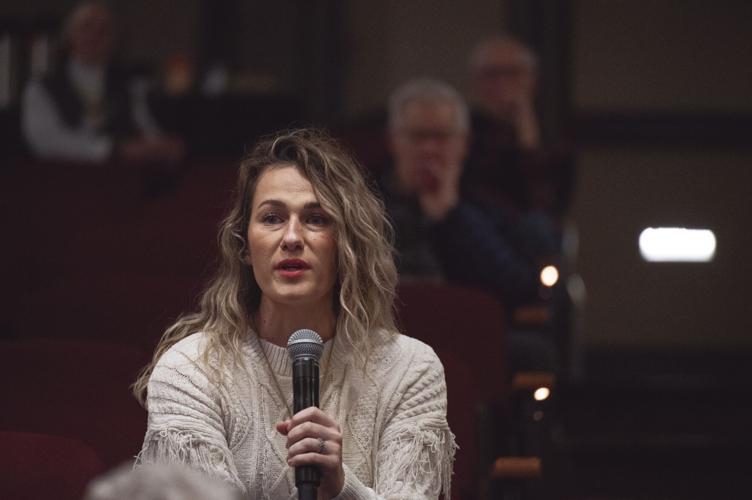
The panel fielded questions and observations from the audience. Kirstie Dinkel said King's bravery to speak out against injustice inspired her. Miller agreed.
“Oftentimes it can be uncomfortable, and we might just walk away, even though we don't agree with something,” Miller said.
“I think it's very important in this day and age, especially, that we do say something.”
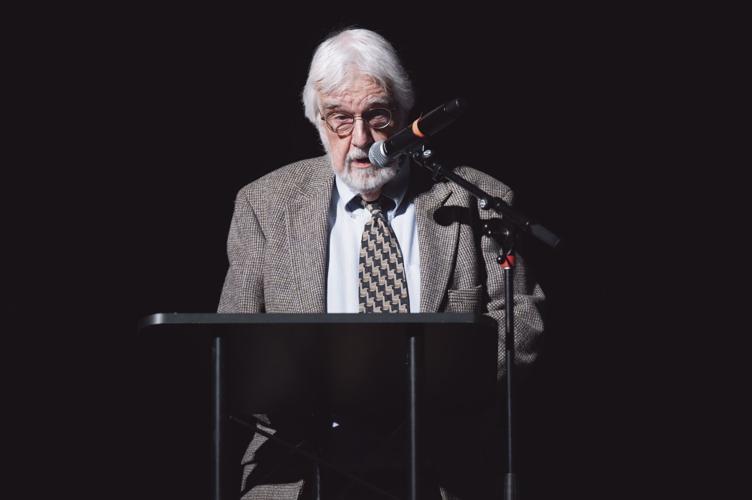
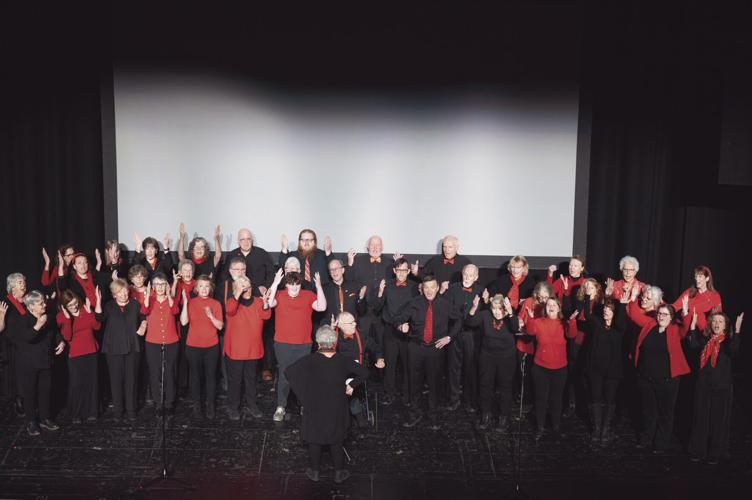
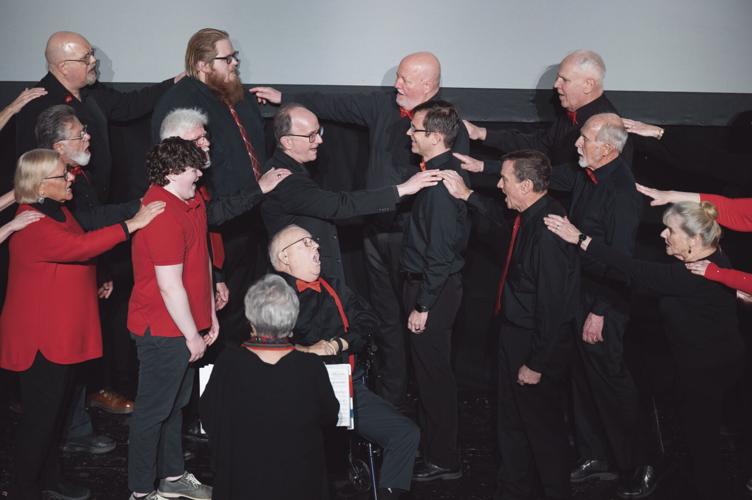
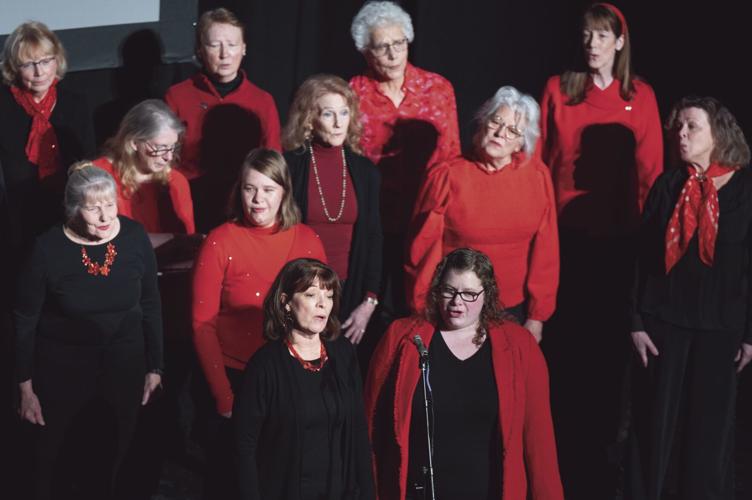
Human Relations Committee member Richard Littlefield gave a speech about King's legacy, before Broadway singing group Power Chords wrapped up the event, singing "Seize the Day," "Let There Be Peace," and finally “We Shall Overcome,” during which they invited the audience to sing along. Littlefield said King's work did not end with his death.
"We can pick up where he left off on that fateful day in April 1968, at the Lorraine Motel in Memphis, Tennessee. As far as we have come, we still have so much left to do. We have more loving to do. We have more understanding to do. We have more teaching to do, and we must fight that good fight for the next generation."





(0) comments
Welcome to the discussion.
Log In
Keep it Clean. Please avoid obscene, vulgar, lewd, racist or sexually-oriented language.
PLEASE TURN OFF YOUR CAPS LOCK.
Don't Threaten. Threats of harming another person will not be tolerated.
Be Truthful. Don't knowingly lie about anyone or anything.
Be Nice. No racism, sexism or any sort of -ism that is degrading to another person.
Be Proactive. Use the 'Report' link on each comment to let us know of abusive posts.
Share with Us. We'd love to hear eyewitness accounts, the history behind an article.