



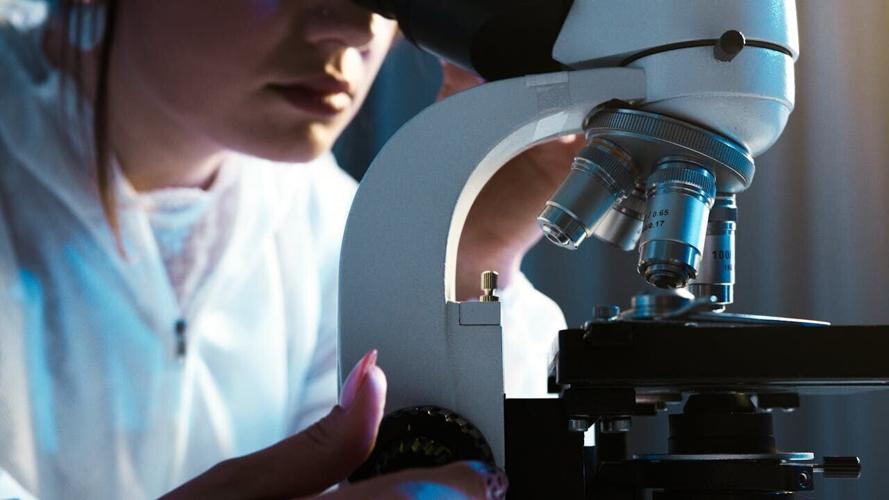


(Photo by Pixabay via Pexels)
By Stephen Beech
Bacteria from cows has shown "promising" results in treating hospital superbugs.
The farmyard favorites carry a microbe that could become an "effective weapon" against antibiotic resistant MRSA infections, say scientists.
Molecules from the bacterium can treat infections caused by multi-resistant Staphylococcus bacteria as effectively as antibiotics, according to the study published in the journal mBio.
Researchers from the University of Copenhagen in Denmark, conducted the largest mapping to date of the frequencies – or signaling molecules – that Staphylococcus bacteria use to communicate.
They explained that Staphylococci are a family of bacteria that, among other places, live on our skin.
One species, Staphylococcus aureus, also exists in antibiotic-resistant variants known as methicillin-resistant S. aureus (MRSA), making MRSA strains more difficult to treat than regular staphylococci.

(Photo by Artem Podrez via Pexels)
The researchers then used their new knowledge to effectively treat an MRSA infection.
Study co-author Professor Christian Adam Olsen said: “With our mapping, we can identify which signalling molecules are most effective against MRSA.
"We found that a signal from another Staphylococcus variant, Staphylococcus simulans, was very potent against S. aureus.


"Originally, the signaling molecule was isolated from a bacterial strain from a cow, but it is also present on goats, horses and humans,”
The research team found the signaling molecule from S. simulans could also disrupt MRSA signals and prevent infection when they tested it in mice.
Co-author Dr. Benjamin Svejdal Sereika-Bejder said: “In the experiment, we showed that with a single dose of this signaling molecule, the mice could overcome an MRSA skin infection just as effectively as mice treated daily with an antibiotic ointment, which is a current option for treating staphylococcal skin infections.”
Antibiotic resistance is becoming an increasing problem, so the research team also investigated whether bacteria would develop resistance towards treatment with the signaling molecule.

(Photo by Pixabay via Pexels)
Dr Sereika-Bejder said: “No one has previously tested whether staphylococci develop resistance towards treatment with these signaling molecules, as we see with antibiotics.
"In our experiments, we observed that under laboratory conditions, the bacteria did not develop resistance even after 15 days. This is very promising but will require further testing in animal models."
The alternative technique weakens the bacteria’s ability to communicate effectively but does not kill them - as is the case with antibiotics, according to the research team.
The bacteria are instead allowed to live, but have a harder time coordinating an attack on the host’s immune system.
Olsen said: “The explanation is likely that there is no evolutionary pressure on the bacteria to develop resistance, as they do not perceive the signaling molecules as being lethal to them."
He added: "They are also encountering the signaling molecules from other bacteria in their natural environment."





(0) comments
Welcome to the discussion.
Log In
Keep it Clean. Please avoid obscene, vulgar, lewd, racist or sexually-oriented language.
PLEASE TURN OFF YOUR CAPS LOCK.
Don't Threaten. Threats of harming another person will not be tolerated.
Be Truthful. Don't knowingly lie about anyone or anything.
Be Nice. No racism, sexism or any sort of -ism that is degrading to another person.
Be Proactive. Use the 'Report' link on each comment to let us know of abusive posts.
Share with Us. We'd love to hear eyewitness accounts, the history behind an article.