


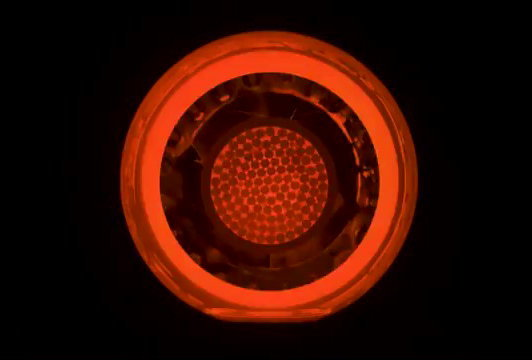
Paired with a nuclear power source, the new tech could significantly shorten the time it takes to reach Mars.

The rock, named 16 Psyche, potentially has a core of iron, nickel and gold worth $10,000 quadrillion.

The selfie was captured on March 11, the 1,797th day of the rover's mission.

It took a week of waving the arm on which the drill was mounted for the rogue rock to finally drop back to the Martian surface.

NASA’s Curiosity rover spotted unusual polygon shapes that resemble large fossilized reptile scales.

The bizarre picture was even voted NASA's “Image of the Week” by the public.

The findings reveal that the Martian surface can preserve the kinds of molecules that could serve as signs of ancient life.

Can you remember a year when we have longed for spring as we seem to long for spring this year? When you have looked down at a patch of frozen…