




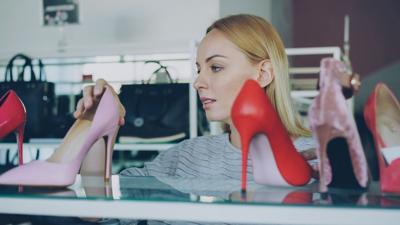

(Photo by Anastasia Shuraeva via Pexels)
By Stephen Beech
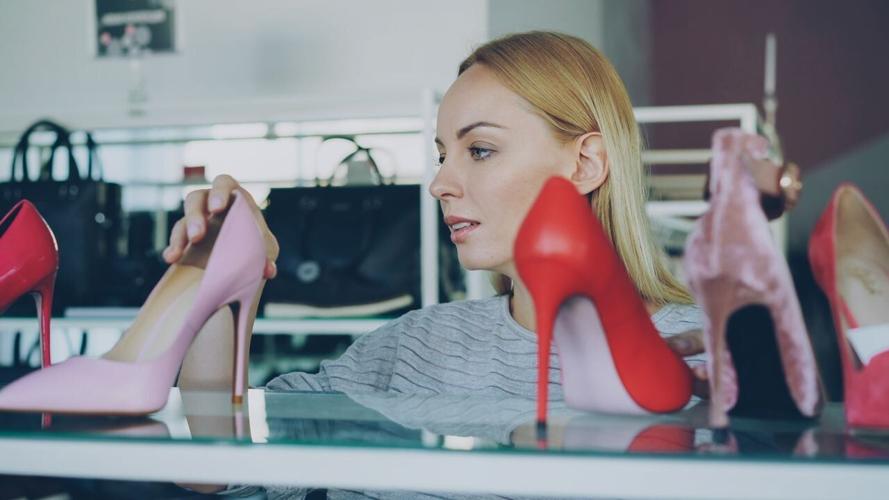
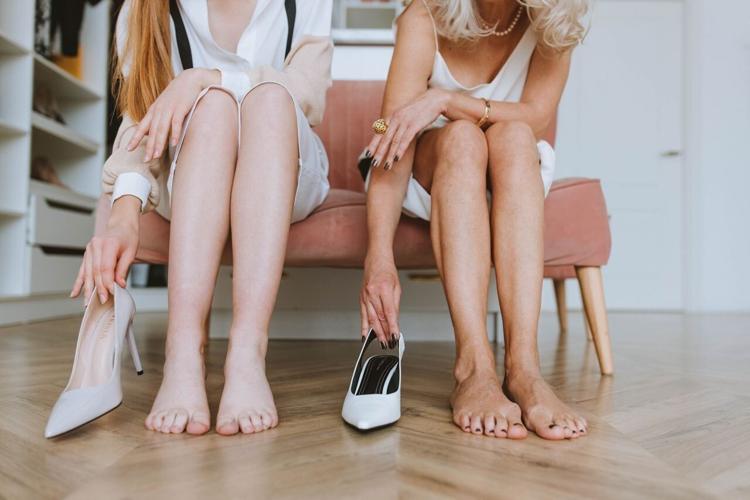
Two out of three women are wearing shoes that don't match their feet, suggests new research.
Most women were found to wear shoe sizes that differed from the size indicated by their foot length.
Experts say the findings highlight the limitations of conventional sizing systems in accounting for differences in foot width and shape.
The study of 107 women in Australia found 72% wore a different size under U.S. sizing and 65% under EU sizing.
More participants wore a larger size than their foot length indicated — 59% under U.S. sizing and 52% under EU sizing.

(Photo by cottonbro studio via Pexels)
The researchers say the tendency to size up suggests some women may be compensating for shoes that do not adequately accommodate their foot width, rather than simply choosing the wrong size.
Supporting that explanation, women assigned the same shoe size based on foot length varied by up to 40 millimeters (1.5 inches) around the widest part of the foot under U.S. sizing and 37 millimeters (1.4 inches) under EU sizing.
The study, published in the International Journal of Fashion Design, Technology and Education, also found 68% of the women had at least one recurring problem with shoe fit.
Co-author Saniyat Islam says the findings exposed the limitations of footwear sizing systems that relied heavily on length.

Associate Professor at RMIT University and co-author of the study Saniyat Islam. (RMIT via SWNS)
He said: "Women aren't bad at buying shoes – the sizing system is bad at describing their feet.
"Women are often forced to choose between the right length and the right width because a single shoe size does not capture the shape of their feet.
"They may be choosing a larger shoe because it is often the only way to achieve a comfortable fit."


Most shoes are sold in only one width, despite the study finding enough variation among women with the same foot length to require about six or seven width options to accommodate them.

(Photo by cottonbro studio via Pexels)
Islam, from the Royal Melbourne Institute of Technology (RMIT University), says expanding the availability of width fittings would do more to improve fit than relying on length-based sizing and half-sizes alone.
He added: "Offering more width options would give consumers a better chance of finding shoes that fit both the length and width of their feet."
Of the 25 participants who said shoes were often too narrow, 60% were from Northeast Asian, Southeast Asian or Southern Asian backgrounds.

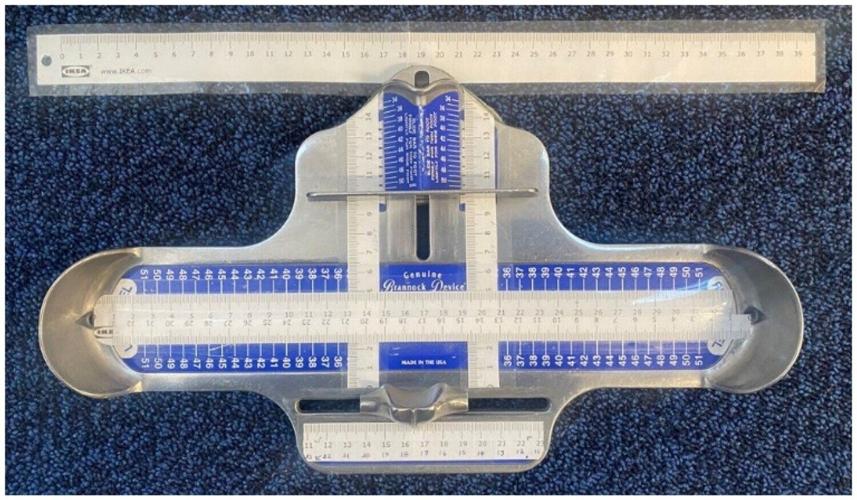
The modified Brannock device and measuring tape used in the study. (RMIT via SWNS)
The study was not designed to establish differences between individual ethnic groups, and the researchers said further research with a larger sample would be needed.
Co-author Carol Tan, also from RMIT Univesity, says the findings underscored the need to investigate whether current footwear sizing systems adequately reflected the diversity of foot shapes.
She said: "Footwear sizing still largely reflects a narrow range of Western foot shapes, despite Australia having one of the world's most diverse populations."

Associate Professor at RMIT University, Carol Tan. (RMIT via SWNS)
Tan added: "If we're serious about designing products that work for the people who use them, we need to recognize that foot length is only part of the story."
The researchers also recommended clearer sizing information to help consumers navigate inconsistent sizing across brands and the U.K., U.S. and EU systems.
More than half of the participants did not know their U.K. shoe size, highlighting the confusion shoppers can face when comparing international sizing systems.
The research team is looking to work with companies to make footwear sizing more inclusive.


(0) comments
Welcome to the discussion.
Log In
Keep it Clean. Please avoid obscene, vulgar, lewd, racist or sexually-oriented language.
PLEASE TURN OFF YOUR CAPS LOCK.
Don't Threaten. Threats of harming another person will not be tolerated.
Be Truthful. Don't knowingly lie about anyone or anything.
Be Nice. No racism, sexism or any sort of -ism that is degrading to another person.
Be Proactive. Use the 'Report' link on each comment to let us know of abusive posts.
Share with Us. We'd love to hear eyewitness accounts, the history behind an article.