


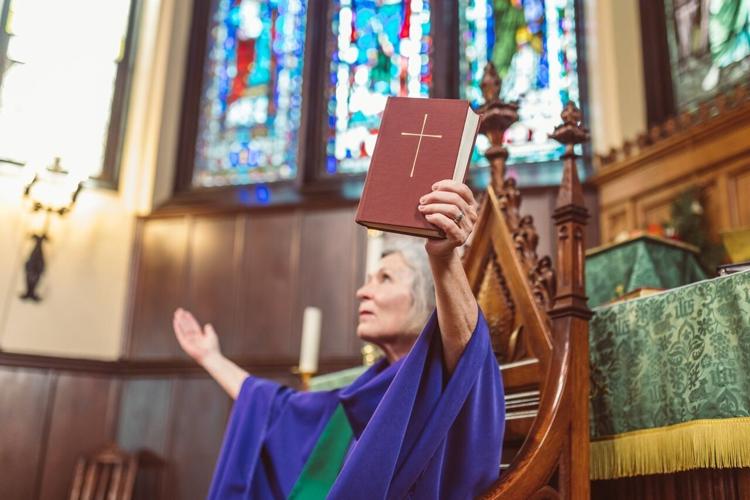
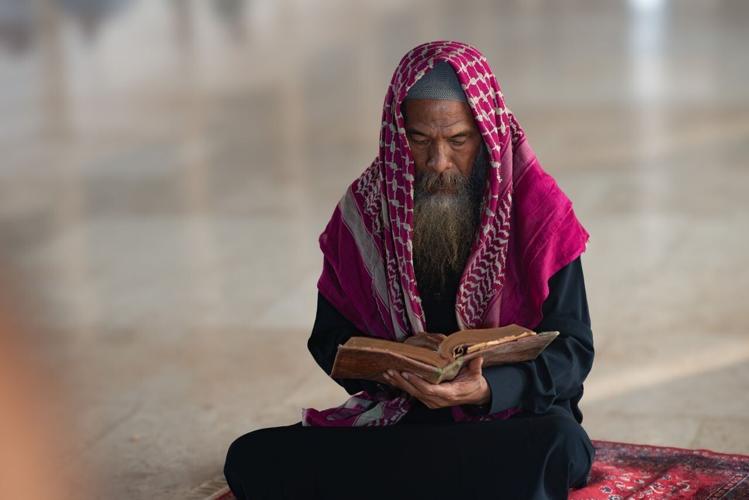


(Photo by RDNE Stock project via Pexels)
By Stephen Beech
Older people with strong religious faith enjoy a better quality of life, suggests a new study.
Researchers found that, among those aged 60 or over, generally having a belief in something greater benefits well-being far more than turning to religion in times of crisis.
A team from the University of Padova in Italy conducted an analysis of studies looking at aging adults’ quality of life in relation to spirituality and religion.
Their findings, published in the journal PLOS Aging and Health, indicated that either being religious or spiritual boosts a person’s view of their life.
And the analysis suggests that having faith generally confers a greater benefit than turning to it as a means of coping.
Study co-author Dr. Alessandra Buja said that although many studies have been conducted in the area, the findings have been “inconsistent” and have not always accounted for how the effects vary across cultures or between different religious practices.

(Photo by Isnania Isnania via Pexels)
But she said understanding factors that contribute to quality of life among elderly people is becoming increasingly important as populations age.
The research team looked at existing literature for studies that focused on adults above the age of 60 and recorded the participants’ experiences of faith as well as their level of well-being or satisfaction with their lives.


The researchers identified 21 studies matching the criteria that also had available data.
Across this pool of more than 5,600 elderly participants, the researchers found that both spirituality and religiosity increased life satisfaction.
No difference in the benefit was observed between participants of different sexes, but location played a major role on the effect size.
The majority of studies were conducted in countries in the Americas or in Asia.

(Photo by cottonbro studio via Pexels)
Buja said: “The positive effects of religion were far greater in Asian countries compared to American ones, perhaps reflecting local cultural and political climates.
“Studies in North and South America came from the U.S. and Brazil, while studies in Asia were conducted in Iran, Pakistan and India — all countries with high religious homogeneity in some cases codified by the national government.”
She said the other most significant variable was how people engaged with their spiritual or religious practice: as a general part of their lives or as a means of coping with difficulty.
Buja said: “Elderly people who viewed their faith as a regular component of their life received a much greater benefit in life satisfaction than those who only turned to their faith in trying times.”
Study co-author Sohail Akhtar added: “Across the studies we pooled, older adults who were more religious or spiritual reported higher life satisfaction and better quality of life.
“The link was moderate in size, but it was consistent enough to suggest that spiritual life deserves a place in how we support healthy aging.”


(0) comments
Welcome to the discussion.
Log In
Keep it Clean. Please avoid obscene, vulgar, lewd, racist or sexually-oriented language.
PLEASE TURN OFF YOUR CAPS LOCK.
Don't Threaten. Threats of harming another person will not be tolerated.
Be Truthful. Don't knowingly lie about anyone or anything.
Be Nice. No racism, sexism or any sort of -ism that is degrading to another person.
Be Proactive. Use the 'Report' link on each comment to let us know of abusive posts.
Share with Us. We'd love to hear eyewitness accounts, the history behind an article.