



(AMHERST, MASS.) It used to be considered against the law in America to starve a member of an endangered species to death or harm it by destroying its home.
That’s changing as the federal government chips away at the U.S. Endangered Species Act. Under the Trump administration’s new interpretations of the law, as long as the animal isn’t directly targeted, there is no violation.
The new interpretations, if they hold up to court challenges, could leave a vast number of endangered species at higher risk. Many of the country’s shipping, logging, mining and development practices are influenced by the Endangered Species Act’s protections. In some cases, entire species could face extinction if their habitats are no longer protected.
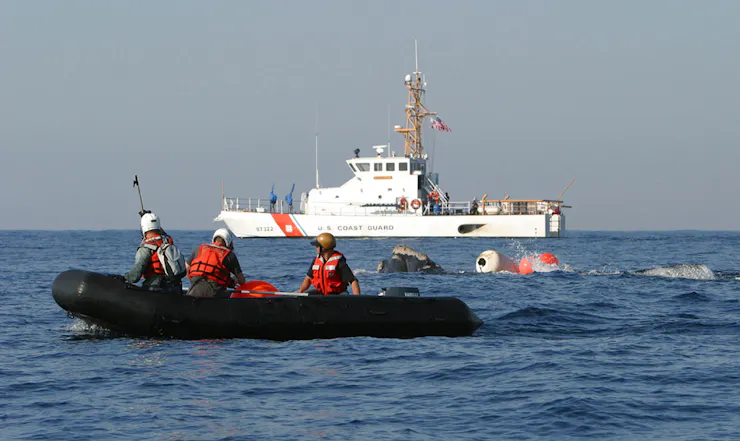
As an environmental conservation scientist, I have been following these and other changes affecting endangered species. To understand what they mean, let’s take a look at the potential impact on three very different species that are at risk: the Florida panther, the North Atlantic right whale and the monarch butterfly.
What’s changing in how the law is carried out
First, here’s what’s changing.
On Sept. 14, 2026, a Trump administration rule change went into effect that redefines harm under the Endangered Species Act to mean only directly injuring or killing a member of an endangered species. The new definition removes an interpretation that had been used for half a century, and upheld by the Supreme Court, that harming an endangered species includes eliminating that species’ habitat.
That move alone could gut the law’s ability to protect many species that face their biggest threat from losing habitat they rely on.
But that isn’t all. The director of the U.S. Fish and Wildlife Service wrote a memo to the services’ leadership team dated Sept. 14, 2026, further reinterpreting the law by arguing that it applies only to intentionally injuring or killing an endangered species. So, if you didn’t target that animal, that would be OK. If your ship strikes a whale, or you kill endangered animals while building a new data center, that would no longer be a problem under this interpretation of the law unless you meant to kill the animal.
The administration also recently finalized its removal of what’s known as the Blanket 4(d) Rule. That rule provided automatic protections for species listed as “threatened,” one step before they become “endangered,” and for their critical habitat.
As a result of these changes, species are still listed on paper as endangered but are largely unprotected.
Florida panther: Territory loss and fragmentation
The Florida panther (Puma concolor coryi) is a majestic big cat that stalks the state’s southwestern pine forest and swamplands, including the Everglades.
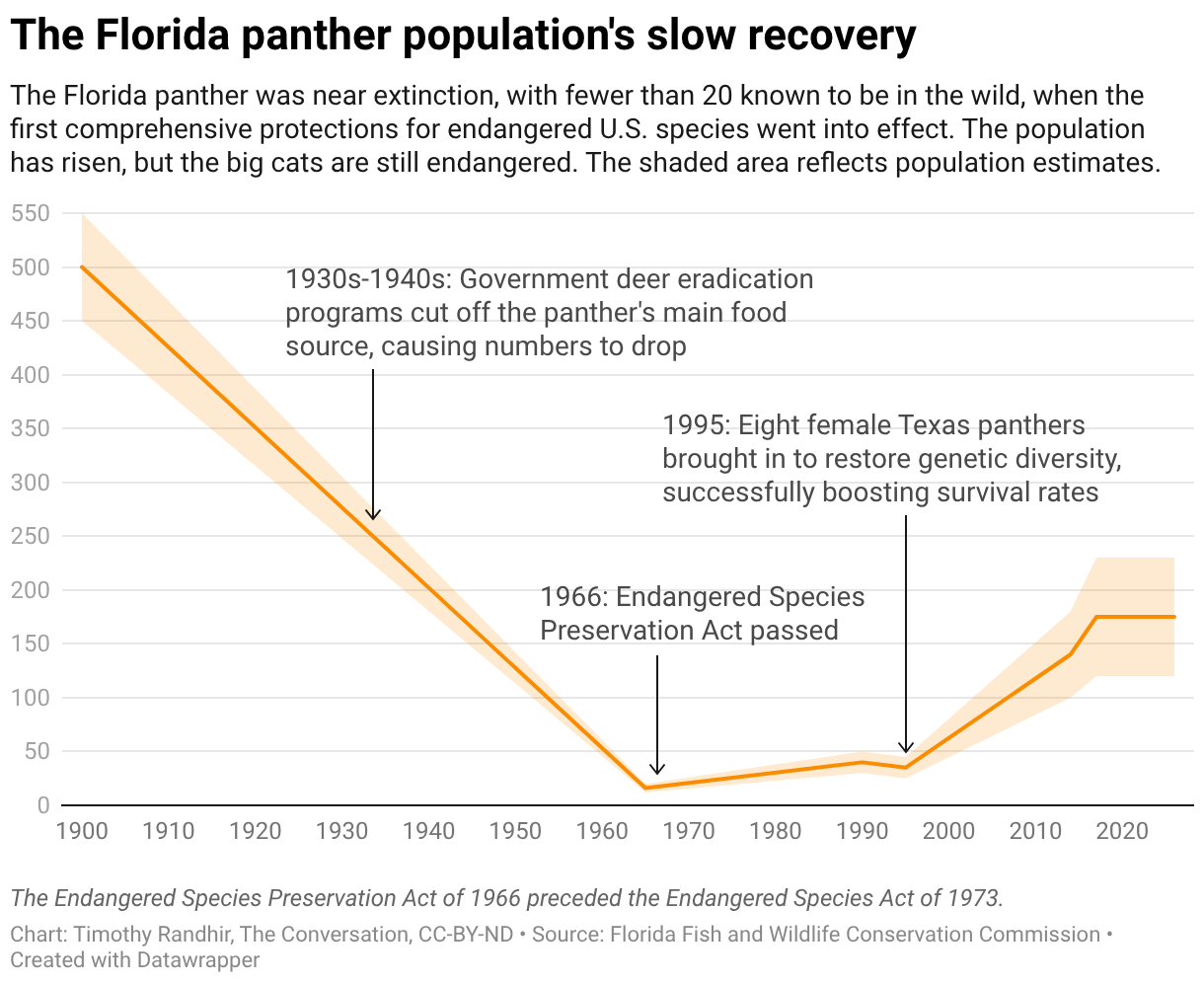
Its population crashed in the 1900s from overhunting, in part to protect livestock, and from habitat loss. The Florida panther was close to extinction when the Endangered Species Preservation Act of 1966, the predecessor of the Endangered Species Act, was passed and led to changes that began to help stabilize the population. The state’s wildlife agencies believe the number of adult panthers today to be between 120 and 230.
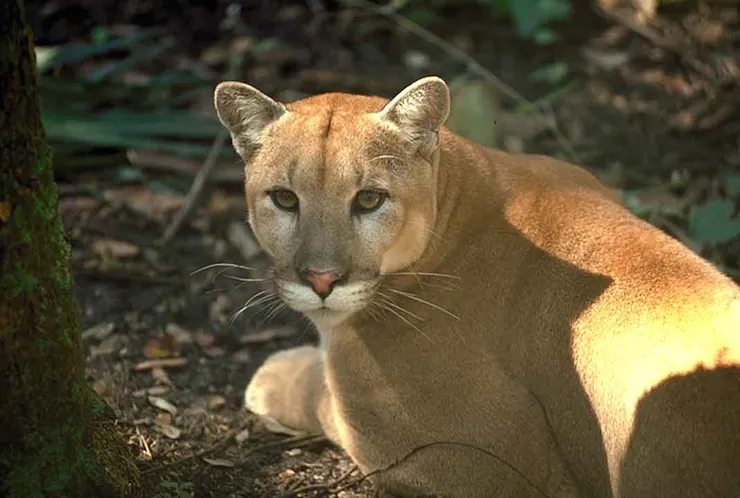
These top predators require large home ranges to live and hunt in, about 200 square miles (518 square kilometers) for males and 75 square miles (194 square kilometers) for females, so space is a scarce resource. And that’s where the challenge lies.
The public conservation areas are not capable of fully supporting the panther population. Roughly one-third of the panther’s main habitat is on private ranches and timberlands that are frequently targeted for suburban development in southwestern Florida.
Under the new Endangered Species Act interpretations, it would not be considered a federal offense to clear private palmetto flatwoods or cypress domes. Yet ecology research indicates that fragmenting habitat by breaking it up with roads and development results in panther deaths. The majority of panther deaths that aren’t natural are due to collisions with vehicles as they attempt to cross busy roads.
The revised rule also allows landowners to clear areas that had been preserved as wildlife corridors on their land without being liable for harming the panthers. That could accelerate habitat loss in southwest Florida’s Caloosahatchee River basin and undermine many years of effort put into the Florida Wildlife Corridor, a connected network of public and private lands that allow the Florida panther and other species to roam.
North Atlantic right whale: Noisy, dangerous seas


In the ocean, habitat is influenced not only by the water but also by sounds that travel through it. That’s particularly true for whale habitat.
The North Atlantic right whale (Eubalaena glacialis) is one of the most endangered whale species, with an estimated population of about 380 animals and only around 70 breeding females remaining, primarily along the North American Atlantic coast.
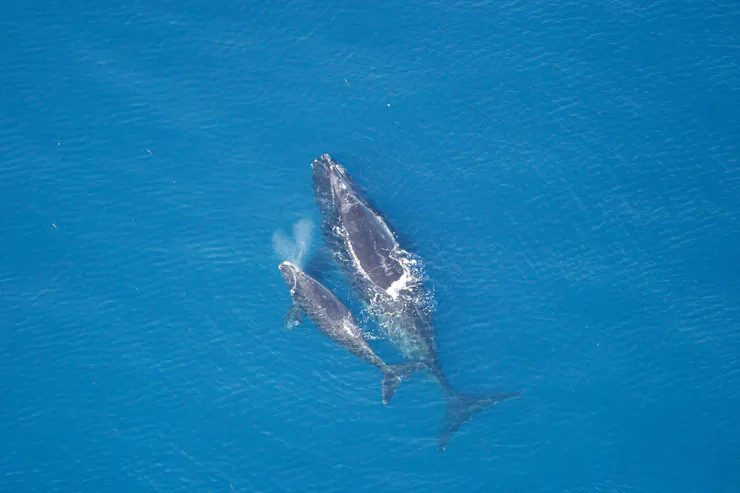
Right whales communicate with low-frequency sounds that help them navigate, locate food and connect with their calves.
The noise caused by ships, seismic surveys used in oil exploration, and pile-driving associated with offshore energy projects results in background noise that can disrupt these signals.
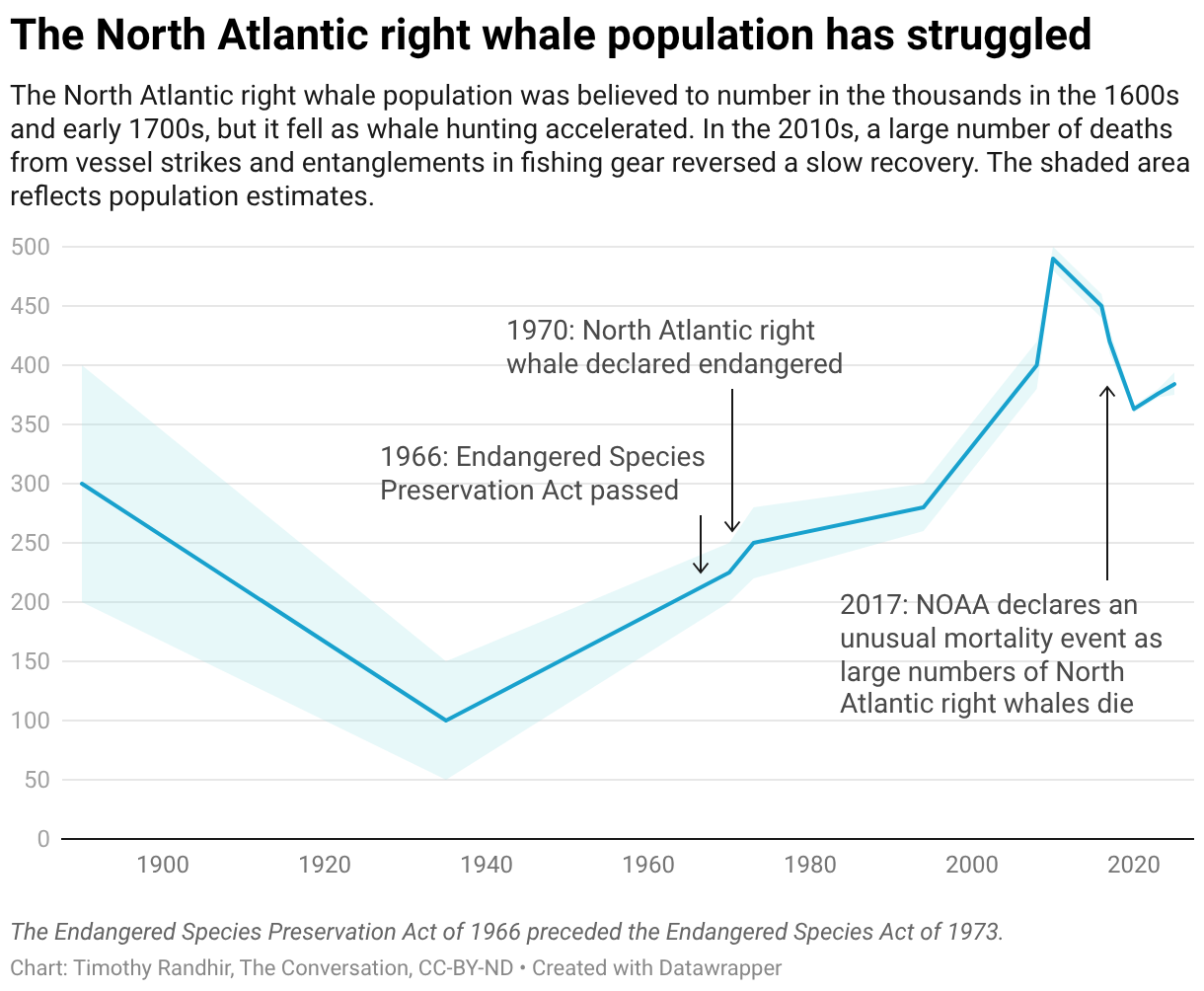
In addition to sound interference, whales face physical risks from being struck by boats and becoming entangled in fishing gear. The new interpretations of the Endangered Species Act remove some of the legal basis for enforcing rules for noisy seismic surveys, speed limits on vessels and restrictions on shipping routes designed to help protect the whales from harm.
Monarch butterfly: Living in a regulatory limbo
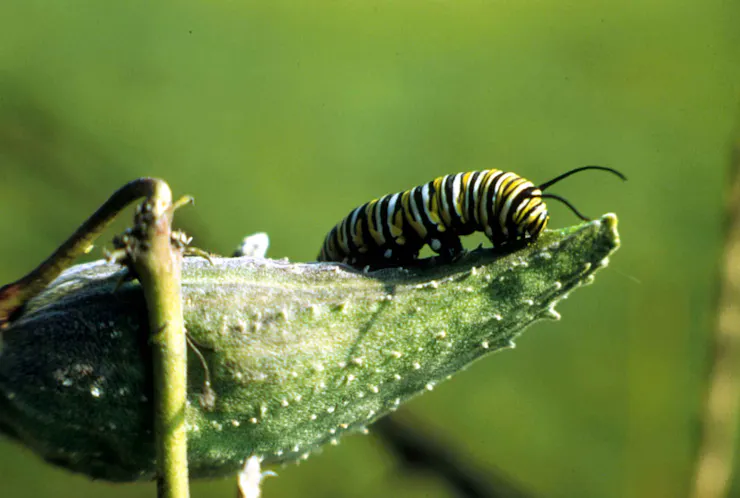
The eastern migratory monarch butterfly (Danaus plexippus), a delicate orange-and-black butterfly that was once plentiful across North America’s prairies in summer, is an example of a species that would benefit from the Blanket 4(d) Rule.
The butterfly’s population has fallen by about 80% over the past decade, largely due to habitat loss. In the U.S., that includes the loss of milkweed, which the butterflies rely on for food and laying eggs as they travel through the Midwest, but that can compete with crops.
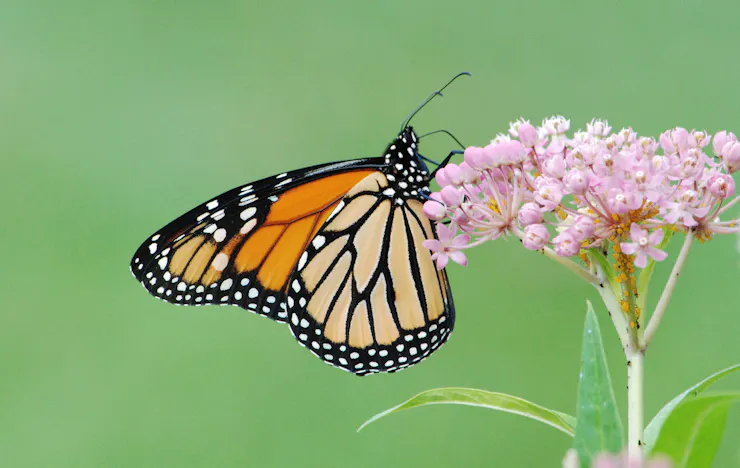
In the past, whenever a species was listed as threatened – a step below endangered, and the status being recommended for the monarch butterfly – it automatically received protections under the Blanket 4(d) Rule.
Without that rule, threatened species no longer get automatic protections and instead rely on agencies drawing up species-specific rules for each one, a process that can take years.
Losing proactive protection
The reinterpretations of the Endangered Species Act change the law from one that is proactive to one that takes action only after there has been immediate and intentional physical harm.
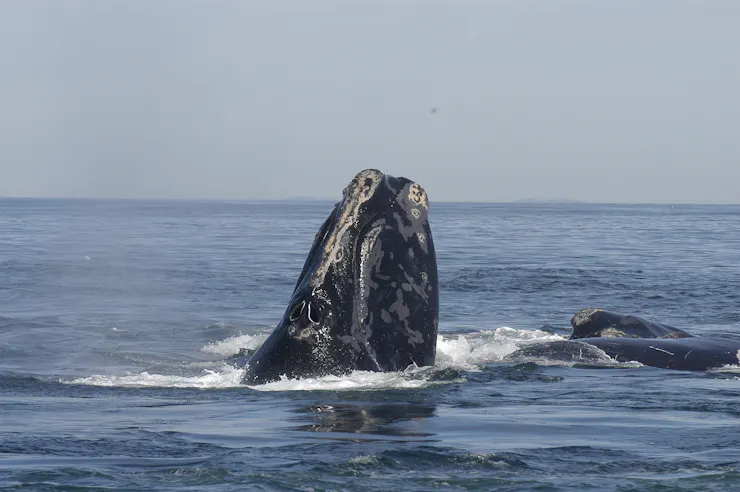
Hunting is not the primary threat today to the Florida panther, the North Atlantic right whale or the monarch butterfly. Their survival instead relies on the pine flatwoods being in good health, the ocean remaining quiet, and milkweed corridors existing across the continent.
Since nature does not abide by the legal boundaries between species and their habitats, damaging the habitat can result in the loss of the species.
This article is republished from The Conversation, a nonprofit, independent news organization bringing you facts and trustworthy analysis to help you make sense of our complex world. It was written by: Timothy Randhir, UMass Amherst
Read more:
- How redefining one word strips the Endangered Species Act’s ability to protect vital habitat
- Why Trump’s move to gut the Endangered Species Act likely won’t hold up in court
- Trump’s ‘God Squad’ pits energy vs. endangered species, but it’s a false choice – protecting wildlife can be good for business
Timothy Randhir does not work for, consult, own shares in or receive funding from any company or organization that would benefit from this article, and has disclosed no relevant affiliations beyond their academic appointment.


_(5164633462).jpg)
.jpg)


(0) comments
Welcome to the discussion.
Log In
Keep it Clean. Please avoid obscene, vulgar, lewd, racist or sexually-oriented language.
PLEASE TURN OFF YOUR CAPS LOCK.
Don't Threaten. Threats of harming another person will not be tolerated.
Be Truthful. Don't knowingly lie about anyone or anything.
Be Nice. No racism, sexism or any sort of -ism that is degrading to another person.
Be Proactive. Use the 'Report' link on each comment to let us know of abusive posts.
Share with Us. We'd love to hear eyewitness accounts, the history behind an article.