




Jesse De Meulenaere
By Stephen Beech
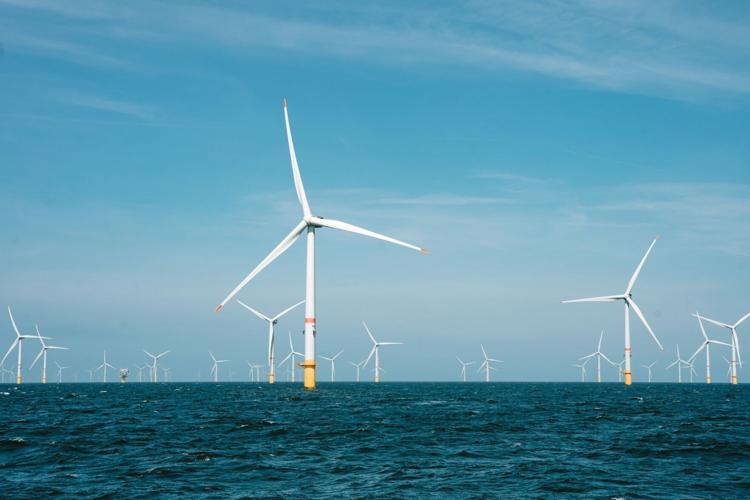
Offshore wind farms could pose a health risk by poisoning shellfish eaten by humans, warns new research.
Potentially harmful levels of metal from turbine protection systems are "on the horizon" because toxicity risks are poorly assessed, say scientists.
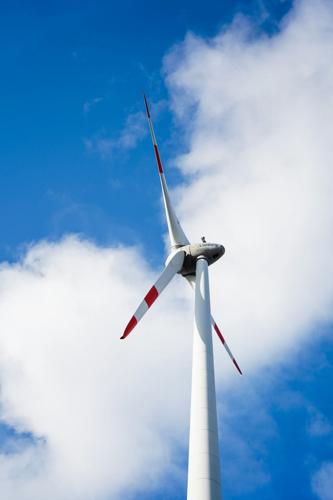
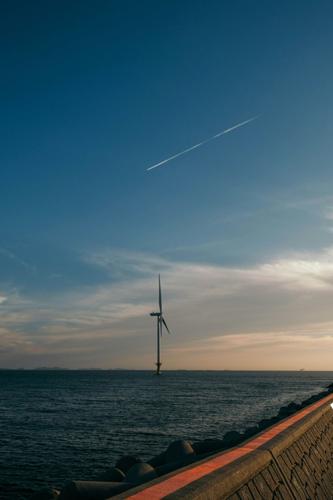
Materials used to protect wind turbines from corrosion leach into the surrounding water which could pose risks to ecosystems, seafood safety and human health, according to the University of Portsmouth study.
Offshore wind farms release thousands of tons of metals - including aluminium, zinc and indium - each year.
The amount is expected to grow "dramatically" as wind farms are set to play a major role in reducing the world’s carbon emissions, according to the report published in Nature's Ocean Sustainability journal.

Jesse De Meulenaere
The UK currently has 13 gigawatts of offshore wind power generating capacity and a government target of reaching 100 gigawatts by 2050.
Professor Gordon Watson, of Portsmouth University’s School of the Environment and Life Sciences, said: “Offshore wind farms are a vital part of our clean energy future.
"But at the moment, there is limited data on how these metals affect the environment near operational offshore wind farms, so it’s hard to assess the full risks.
“We are definitely not saying stop building offshore wind farms, we just need to monitor them appropriately - especially as they continue to expand.


"The plans to scale up are ambitious and come with challenges that must be addressed.”
He explained that, to protect turbines from rusting, corrosion-protection systems are used, which can release metals into the ocean over time.
The study estimated annual inputs of metals from current European wind farms to be 3,219 tons of aluminum, 1,148 tons of zinc, and 1.9 tons of indium.
The figure for zinc already exceeds the sum of all known direct inputs and river discharges into the North Atlantic from key European countries.

insung yoon
The researchers say that locating seaweed and shellfish farms near to offshore wind farms - such as the world’s first co-located commercial-scale seaweed farm in the North Sea - could see metals from turbines build up in those species, leading to concentrations that could exceed safe limits for human consumption.
For example, consuming oysters with high levels of zinc could surpass the recommended weekly intake for adults, posing risks to human health.
Watson said: “Under current government expansion plans, these inputs could increase 12-fold by 2050, which raises serious concerns about the potential accumulation of metals in marine species like oysters, mussels, and seaweed, which are also likely to be cultured near wind farms.
“Our research highlights the importance of keeping a close eye on the chemicals released by offshore wind farms, so we can monitor and manage the environmental impact.”
The research team wants more comprehensive monitoring of water and sediments around wind farms, using corrosion-protection systems with fewer environmental impacts, and strong monitoring guidelines for co-locating aquaculture with wind farms.
Watson added: “There are solutions to address these issues, but we need to take steps now to mitigate risks.
"We hope this research will provide a roadmap for policymakers and the wind energy industry to tackle these challenges effectively before they cause unnecessary harm.”


(0) comments
Welcome to the discussion.
Log In
Keep it Clean. Please avoid obscene, vulgar, lewd, racist or sexually-oriented language.
PLEASE TURN OFF YOUR CAPS LOCK.
Don't Threaten. Threats of harming another person will not be tolerated.
Be Truthful. Don't knowingly lie about anyone or anything.
Be Nice. No racism, sexism or any sort of -ism that is degrading to another person.
Be Proactive. Use the 'Report' link on each comment to let us know of abusive posts.
Share with Us. We'd love to hear eyewitness accounts, the history behind an article.